


 Join us on Discord













Move from Bolt to Vercel, step by step
Sync your Bolt project with your own GitHub repository and let Vercel build it on every push. The backend stays where it is. You keep building with Claude Code or Codex.
What you'll do during the migration
Your migration is split into four stages, with step-by-step instructions, detailed explanations and practical examples.
Your setup
Pick your AI tool and tell us what your app uses.
Preparation
Get GitHub, Node.js, your AI tool and Vercel ready.
Migration
Follow 8 to 13 steps, depending on your app. Each shows you what to do and how to check it worked.
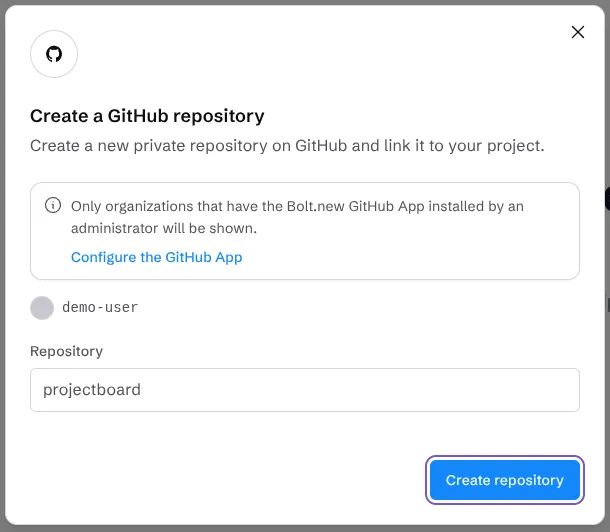
- Push the project to GitHubConnect the Bolt project to GitHub and let Bolt create a private repository.
- Get your code onto your computerCopy the private repository to a folder on your computer.
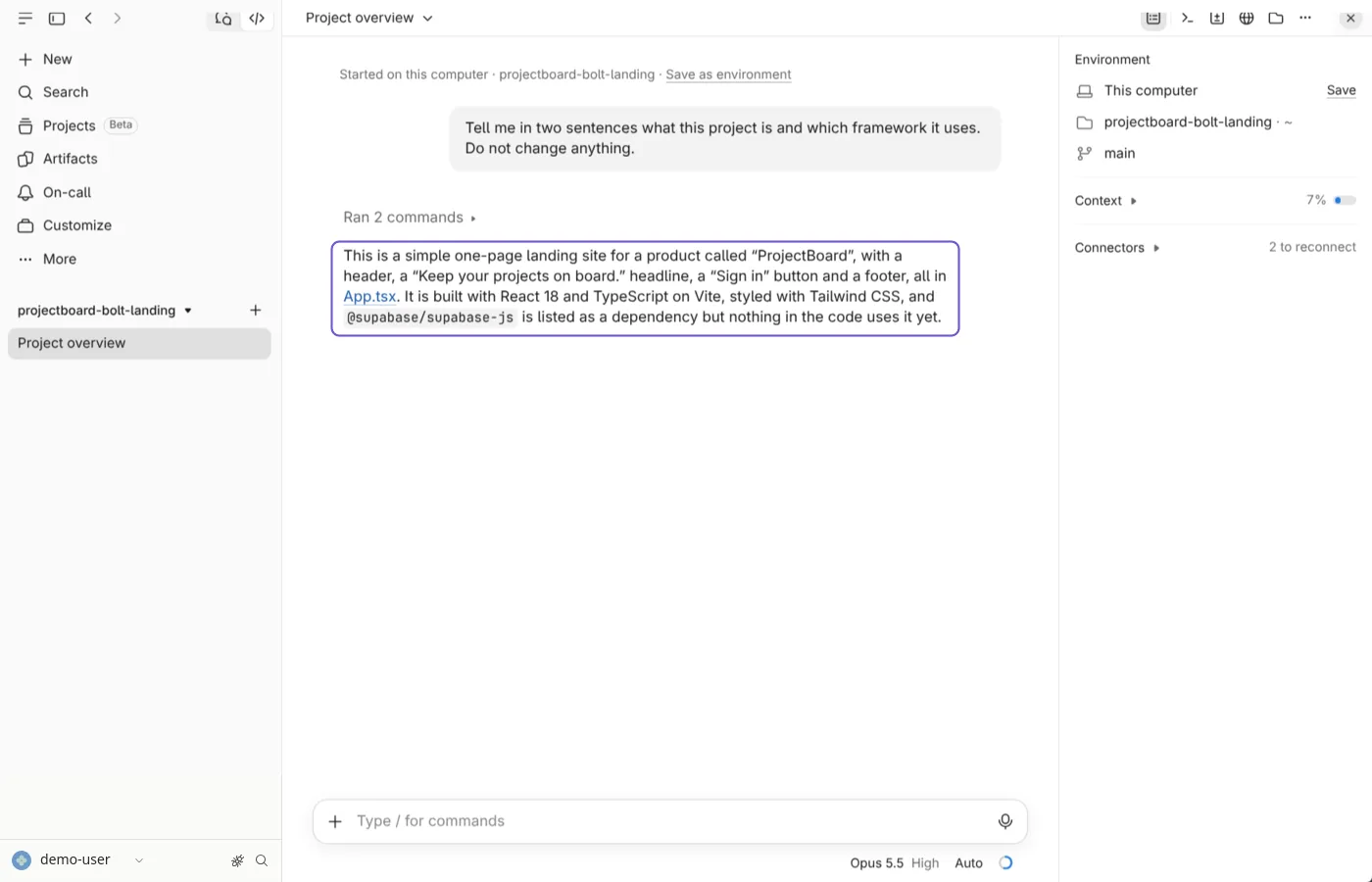
- Open the project in the Claude appOpen the project folder in the Code tab of the Claude app.
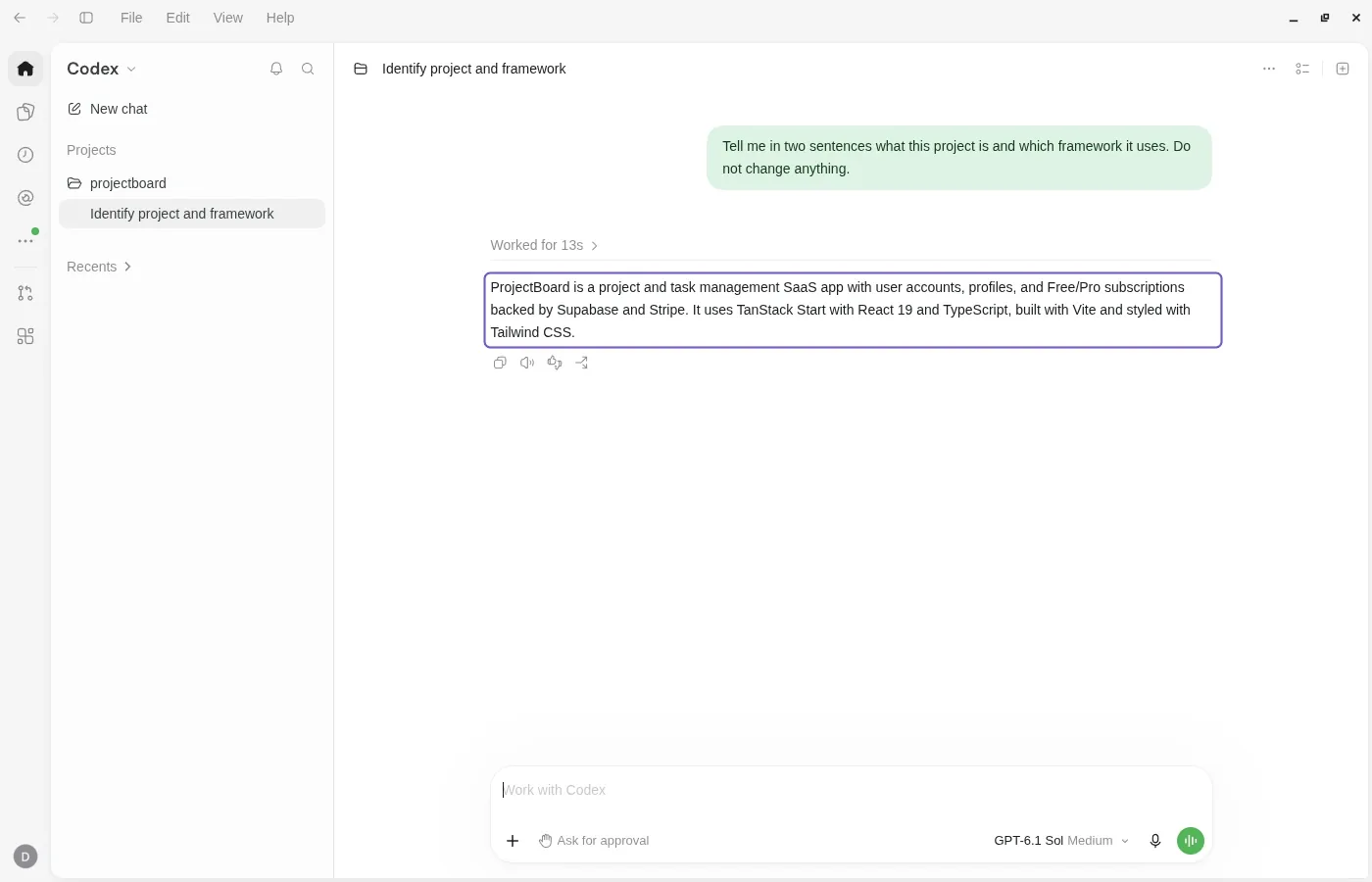
- Open the project in the Codex appAdd the project folder to the Codex app and start a thread in it.
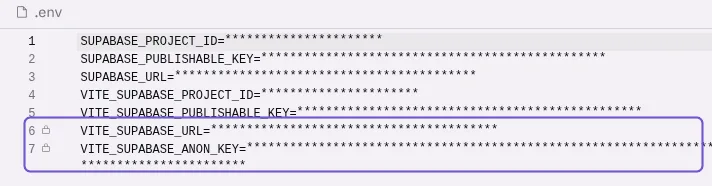
- Add the backend settingsCheck that the .env file has the address and the public key of the backend.
- Run your app on your computerInstall what the app needs and start it on your computer.
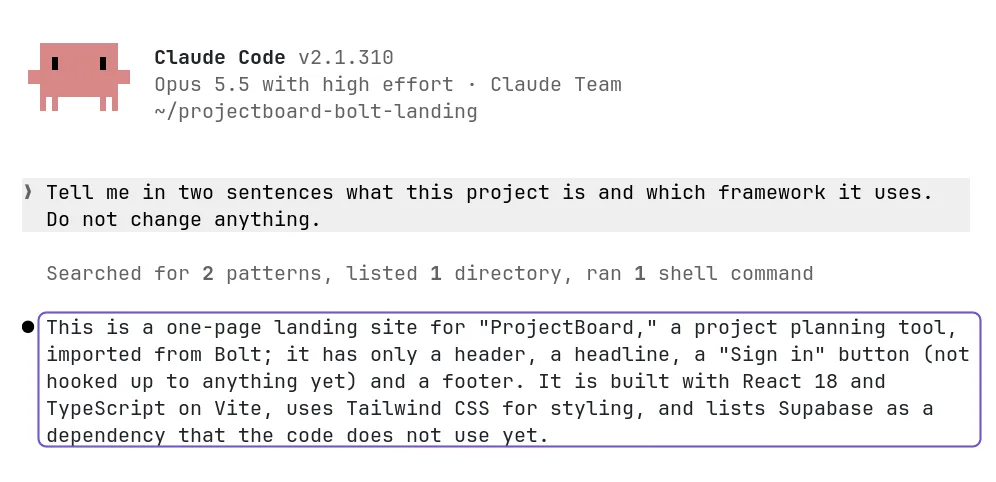
- Open the project in Claude CodeStart Claude Code in the project folder in a terminal.
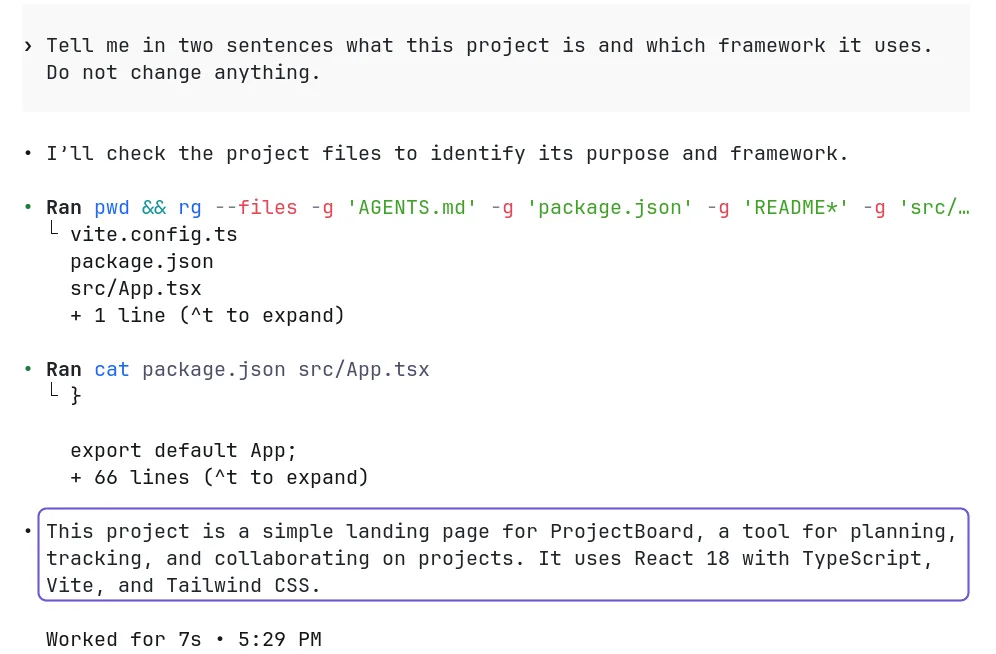
- Open the project in CodexStart Codex in the project folder in a terminal.
- Check where your backend runsFind out if the app uses Bolt Cloud or its own Supabase project.
- Make logins work on your computerAdd your local address to the login settings, so links in login emails work on your computer.
- Keep secret keys out of .envCheck that the .env file holds only public values.
- Tell Claude Code about your projectClaude Code writes a CLAUDE.md, a short note it reads at the start of every session.
- Tell Codex about your projectCodex writes an AGENTS.md, a short note it reads at the start of every session.
- Send your changes to GitHubPush your changes so the new host builds the latest code.
- Deploy to VercelImport the GitHub repository in Vercel, add the values from .env and deploy it.
- Make logins work on your new addressAdd the new address to the login settings, so logins do not send people back to Bolt.
- Point your domain to the new hostChange your domain's DNS records so the domain opens the new host.
- Keep your code in sync with BoltPull before you work and push when you finish, so Bolt and your AI tool stay in sync.
- Disconnect BoltTurn off the GitHub sync in Bolt so it cannot overwrite your work.
Final check
Test everything before switching. Your Bolt app stays online until you're ready.
What the steps look like

What you can and can't migrate from Bolt
Comes with your code
- Your frontend code
- Images and other static files
You'll set this up
- The backend keys as environment variables in Vercel
- A Vercel project that deploys every push
Stays with Bolt
- The Bolt editor and AI chat
- The Bolt Cloud backend
- The keys under Secrets in Bolt
Common problems
The app loads but cannot reach the backend
Fix: The build did not get the backend values. Add them in Vercel under Settings, Environment Variables and deploy again.
A reloaded page shows a 404 error
Fix: Vercel does not know the routes of the app. Ask your AI tool to fix it for Vercel, then push.
Login sends people back to Bolt
Fix: The login settings still have the Bolt address. Set the new address in Bolt Cloud Authentication or in Supabase.
Questions
Do I need to code?
No. You paste prompts into your AI tool. In a terminal you also run a few commands. Vercel builds the app for you.
Does the backend move too?
No. Bolt says there is no supported way to move a Bolt Cloud database to Supabase. The app on Vercel keeps using the backend it has.
Does the app go offline during the move?
No. It keeps running on Bolt until you point your domain to Vercel.
How many steps will I have?
It depends on your app. A site without a backend has 8. An app with logins and a domain has up to 13. Your plan only shows the steps that apply to you.
Articles for this move
All guides
 Your Bolt app, built by Vercel
 Bolt to a repo you ownvs
 Bolt Cloud or your own Supabase
More articles for this move are coming
Tell us what you are stuck on and we will write it up next.
Send feedback